Homocysteine: A Plain-English Guide
Homocysteine shows up near B vitamins and heart-health topics. Here is what it is and which nutrients help keep it in a normal range.
Homocysteine is one of those biochemistry words that sounds intimidating but has a fairly simple story behind it. In plain terms, it is an amino acid your body makes on its own, and a handful of B vitamins help keep it recycling normally. Because it comes up so often near B vitamins and cardiovascular topics, it is worth understanding in everyday language, described purely as a matter of normal body function.
What homocysteine is
Homocysteine is an amino acid your body produces naturally as part of normal metabolism. It is not “bad” and it is not a toxin the body creates by mistake — it is a normal intermediate that appears when the body processes another amino acid called methionine. What matters is that the body keeps recycling homocysteine efficiently, so it stays within a normal range rather than building up.
The methylation cycle, briefly
The body converts homocysteine into other useful molecules through a set of steps often called the methylation cycle. Think of it as a small recycling loop that runs continuously in the background. When the loop has the raw materials it needs, homocysteine is either converted back into methionine or sent down a related pathway, and the cycle keeps turning.
Several nutrients act as helpers in that loop:
- Vitamin B6 (as pyridoxal-5-phosphate, or P-5-P)
- Folate (the active form is L-methylfolate)
- Vitamin B12 (the active form is methylcobalamin)
- Trimethylglycine (TMG), also called betaine, which donates a methyl group
When these helpers are available in adequate amounts, the cycle runs smoothly and homocysteine metabolism proceeds normally. Authoritative public-health sources such as the NIH Office of Dietary Supplements describe the roles of folate and vitamin B12 in this kind of normal metabolism.
Why the “active” forms come up
You may notice quality formulas list the active or methylated forms of these B vitamins — P-5-P, L-methylfolate, and methylcobalamin. These are the forms the body can use directly, without an extra conversion step. That is why formulators often prefer them: the goal is to supply the methylation pathway with helpers it can put to work.
Supporting healthy homocysteine metabolism already within a normal range is a structure/function statement — a description of how nutrients support a normal process. It is not a claim to diagnose, treat, prevent, or reduce the risk of any condition, and this guide makes no such claim.
Practical notes
- Homocysteine is something a healthcare practitioner can discuss and, if appropriate, measure. It is not something you diagnose from a website.
- If you are curious about your own levels, that is a good conversation to have with a professional who knows your history.
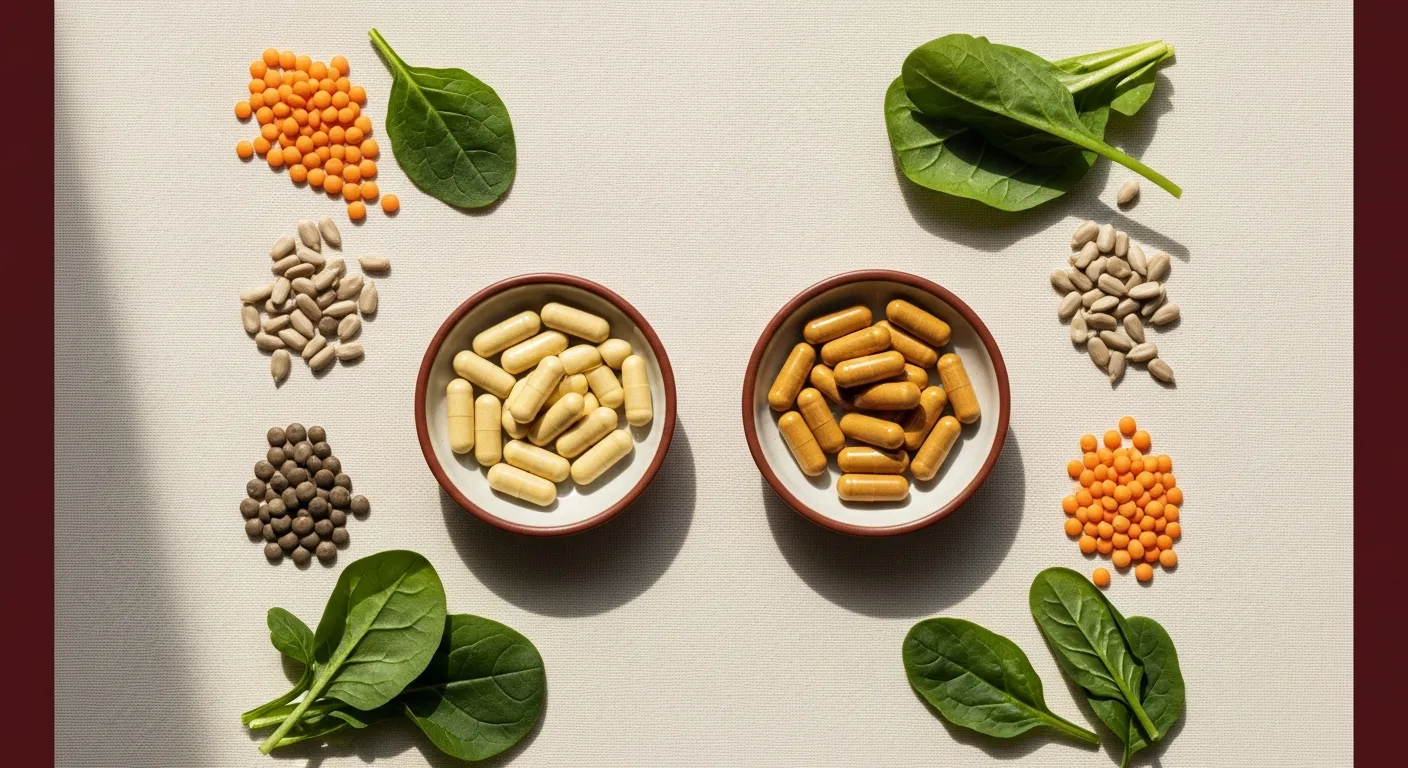
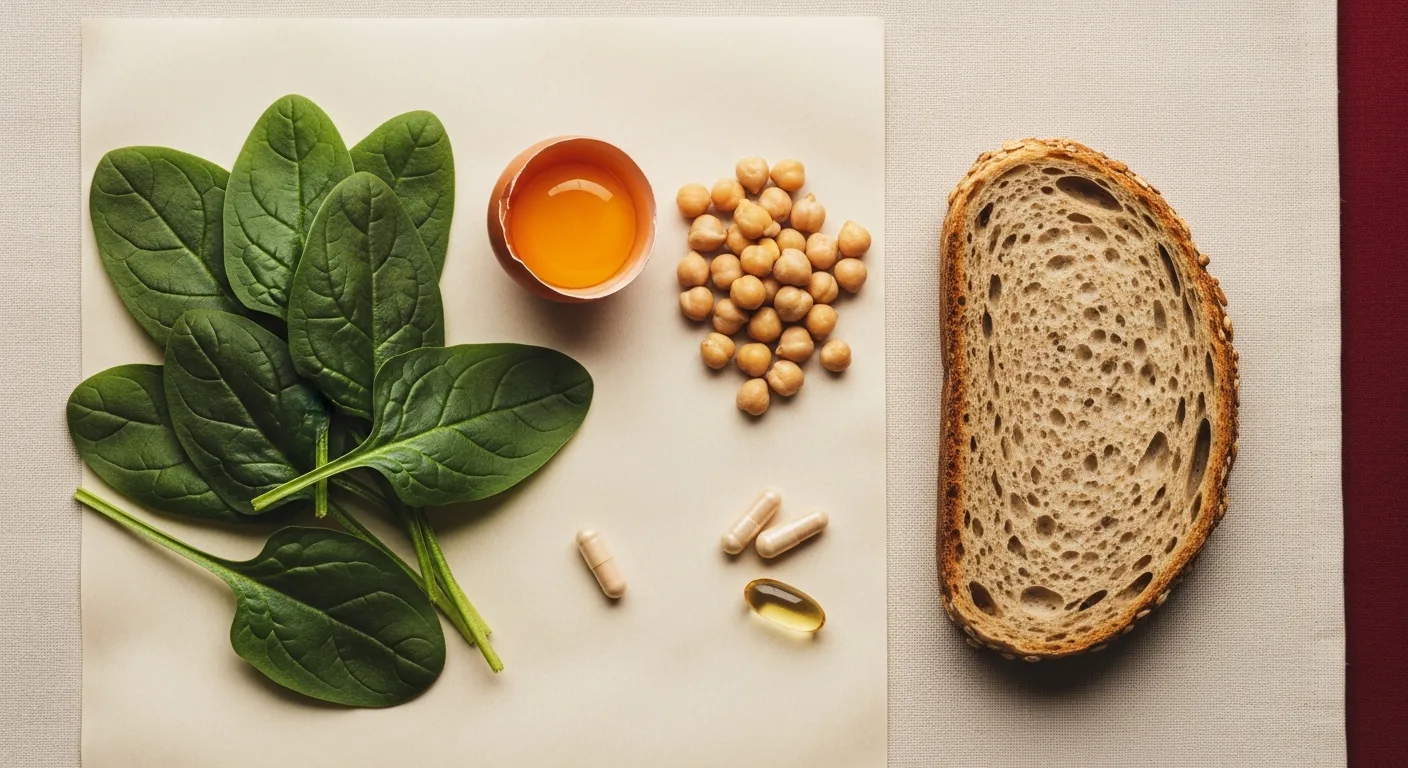
- Diet plays a role too: folate is found in leafy greens and legumes, and B12 comes from animal foods and fortified products, so a supplement adds to what you already get from meals.
If you would like to keep learning about the nutrients behind the formula, browse more insights and education.
The bottom line
Homocysteine is a normal part of metabolism, and a handful of B vitamins plus TMG are involved in keeping its recycling loop running smoothly. Cardio Guardian includes active B6, methylfolate, methyl-B12, and TMG to support healthy homocysteine metabolism already within a normal range. Nothing here is medical advice — for questions specific to you, your practitioner is the right resource.
Frequently Asked Questions
- What is homocysteine?
- Homocysteine is an amino acid the body produces naturally as part of normal metabolism. It is a normal intermediate, and the body continually recycles it so it stays within a normal range.
- Which nutrients are involved in homocysteine metabolism?
- Vitamin B6, folate, and vitamin B12 act as helpers in the methylation cycle, and trimethylglycine (TMG, also called betaine) can donate a methyl group. Together they support normal homocysteine metabolism.
- What are 'active' or methylated B vitamins?
- They are the forms the body can use directly, such as P-5-P (B6), L-methylfolate (folate), and methylcobalamin (B12). Formulators often prefer them for supporting the methylation pathway.
References & Further Reading
Daily cardiovascular wellness support
Cardio Guardian pairs CoQ10, vitamin K2 + D3, active B vitamins, and TMG in a 3-capsule daily serving — from Heartland Vitality.
These statements have not been evaluated by the Food and Drug Administration. This product is not intended to diagnose, treat, cure or prevent any disease.
Not Medical AdviceThe information on this site is for educational purposes only and is not medical advice. Talk with a qualified healthcare practitioner before making changes to your health routine.