What CoQ10 Does in the Body
A plain-English look at what CoQ10 is, the role it plays in the body's normal cellular energy production, and why the heart is often part of the conversation.
Coenzyme Q10 — usually written as CoQ10 — is one of those ingredients you see on cardiovascular supplement labels without much explanation. In plain terms, it is a compound your body makes on its own, and it plays a role in the way your cells produce energy. This is a plain-language look at what CoQ10 actually is and the role it plays, described in general, structure/function terms.
What CoQ10 is
CoQ10 is a compound your body produces naturally and also gets in small amounts from food. It lives largely inside mitochondria — the tiny structures within cells that produce energy. In that setting, CoQ10 participates in the chain of steps cells use to turn nutrients into usable energy. It is present throughout the body, and the amount the body makes can vary from person to person.
Why energy matters for hard-working tissue
Every cell needs energy, but some tissues are especially busy. Muscle that contracts around the clock, for example, has a steady demand for the energy its cells produce. That is part of why CoQ10 comes up in conversations about cardiovascular wellness: it is involved in the normal, everyday process of cellular energy production that busy tissue depends on.
To be clear about what that means: supporting normal cellular energy production is a structure/function statement. It is not a claim that CoQ10 treats, prevents, cures, or reduces the risk of any condition, and this article makes no such claim.
The two forms you’ll see
CoQ10 appears on labels in two related forms:
- Ubiquinone — the oxidized form, and the one that has been studied the longest.
- Ubiquinol — the reduced form.
The body can convert between them, so both can contribute to your CoQ10 status. Both are legitimate; the right choice often comes down to formulation and personal preference rather than one being universally “better” than the other.
Where CoQ10 comes from
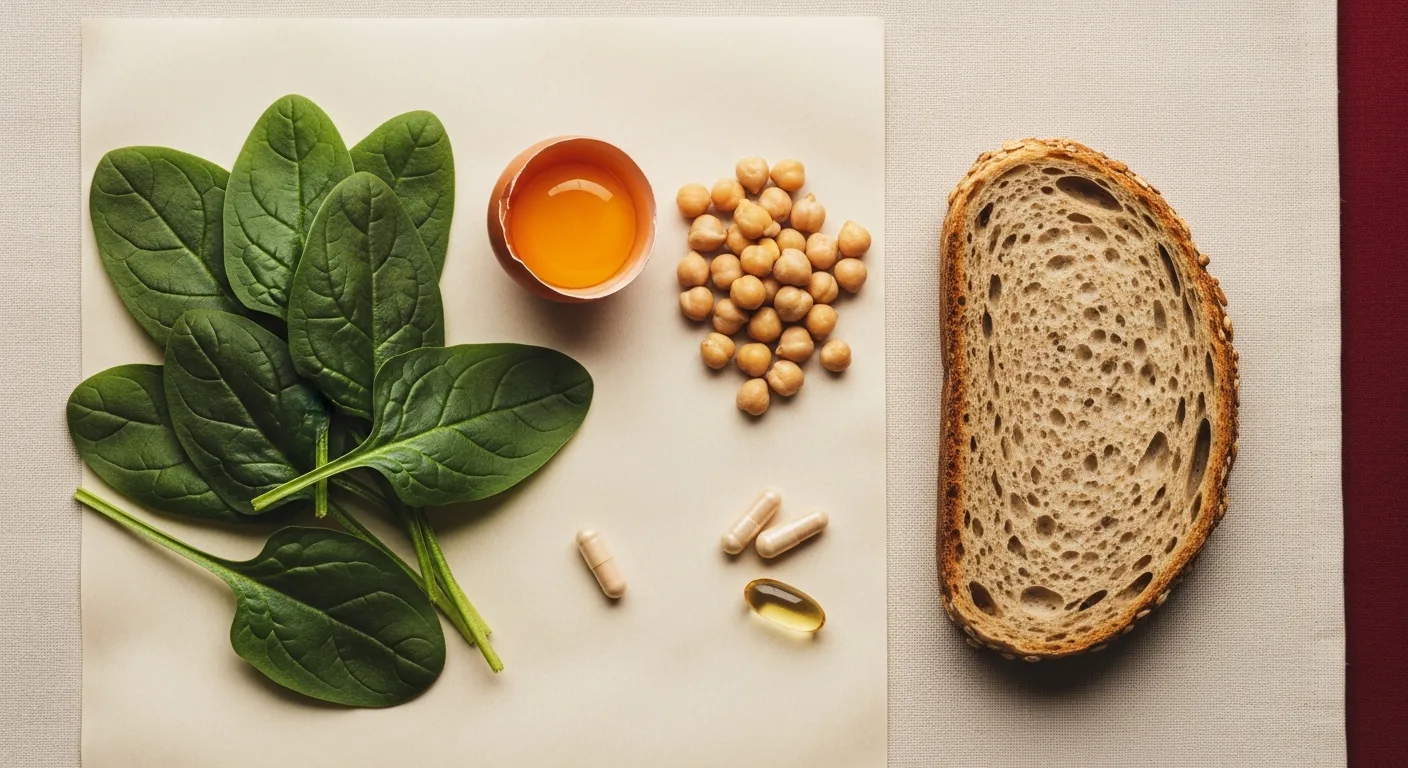
The body synthesizes CoQ10 on its own, and small amounts come from foods such as organ meats, fatty fish, and some whole grains and nuts. Because dietary amounts are modest, a supplement is a way some people choose to add to what they already get. General information from the NIH Office of Dietary Supplements is a good neutral starting point for understanding nutrients like this.
What to keep in mind
- CoQ10 is a nutrient, not a medication.
- Amounts on labels vary widely, so it is worth reading the Supplement Facts panel to see exactly how much a product provides.
- If you take medication or manage a health condition, talk with a healthcare practitioner before adding any supplement.
For more plain-language explainers on this topic, browse CoQ10 and heart energy.
The bottom line
CoQ10 is a naturally occurring compound with a well-studied role in how cells produce energy — a structure/function role, not a treatment. That role is the reason it so often appears in formulas built to support normal cardiovascular function, including Cardio Guardian, which provides CoQ10 alongside other well-studied nutrients. Nothing here is medical advice.
Frequently Asked Questions
- What is CoQ10?
- CoQ10 is a compound the body makes on its own and also gets in small amounts from food. It lives largely in mitochondria and participates in the normal, everyday process of cellular energy production.
- What is the difference between ubiquinone and ubiquinol?
- Ubiquinone is the oxidized form and the one studied the longest; ubiquinol is the reduced form. The body can convert between them, and both are legitimate forms on a label.
- Is CoQ10 a medication?
- No. CoQ10 is a nutrient and dietary supplement, not a medication. If you take medication or manage a health condition, talk with a healthcare practitioner before adding any supplement.
References & Further Reading
Daily cardiovascular wellness support
Cardio Guardian pairs CoQ10, vitamin K2 + D3, active B vitamins, and TMG in a 3-capsule daily serving — from Heartland Vitality.
These statements have not been evaluated by the Food and Drug Administration. This product is not intended to diagnose, treat, cure or prevent any disease.
Not Medical AdviceThe information on this site is for educational purposes only and is not medical advice. Talk with a qualified healthcare practitioner before making changes to your health routine.